Our Cutting-Edge 3D Camera Designed for High-Performance Applications
what is MIZAR
Mizar is Euclid Labs’ cutting-edge 3D camera, engineered to deliver accurate and reliable object detection even in the most demanding industrial applications. Powered by proprietary technology, Mizar captures high-quality 3D data in challenging conditions where conventional vision systems often struggle, including shiny, oily, or highly reflective surfaces, containers with plastic bags, reflective metal walls, and other complex scenarios.
Designed for continuous operation in industrial environments, Mizar combines robustness, reliability, and outstanding performance, ensuring consistent and dependable results even under the toughest operating conditions.
Mizar is the ideal solution for a wide range of automation applications, including automatic machine tending, robotic bin picking, assembly, and precise part localization. By providing reliable 3D vision in even the most challenging environments, it helps manufacturers increase productivity, improve process reliability, and maximize overall production efficiency.
best for shiny objects
IP65 to adapt to harsh enviroment
Easy to mount and connect
Fast thanks to its 4 laser lines
Multiple models to meet all demands available
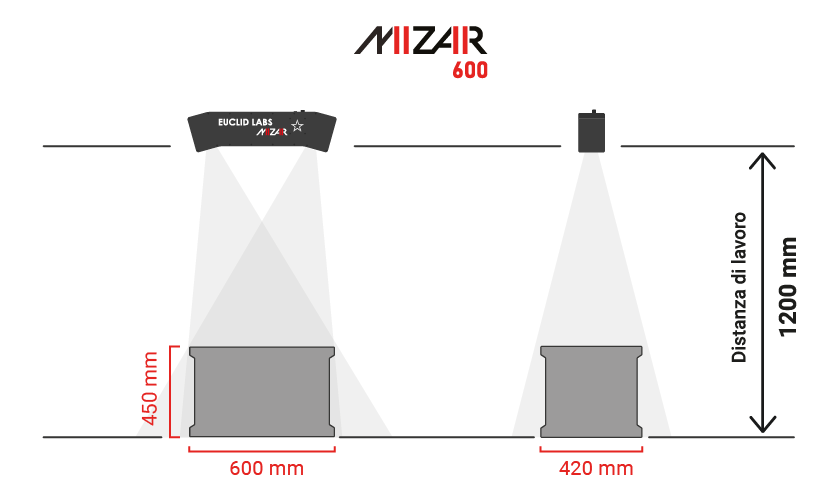
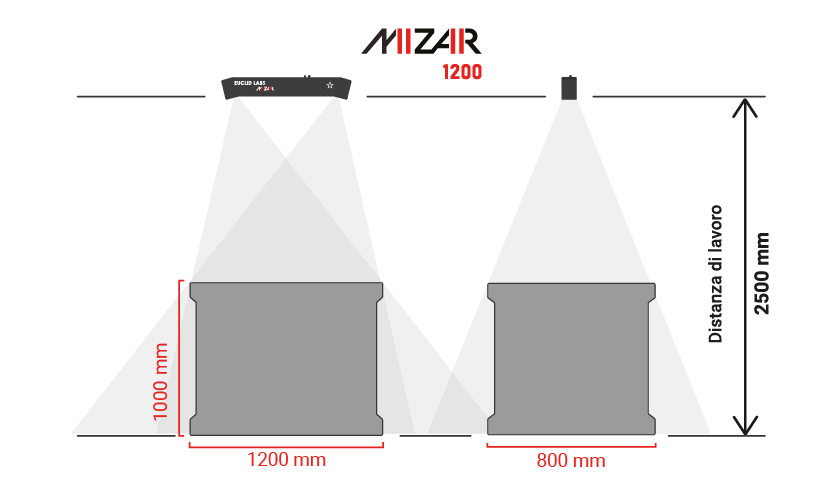
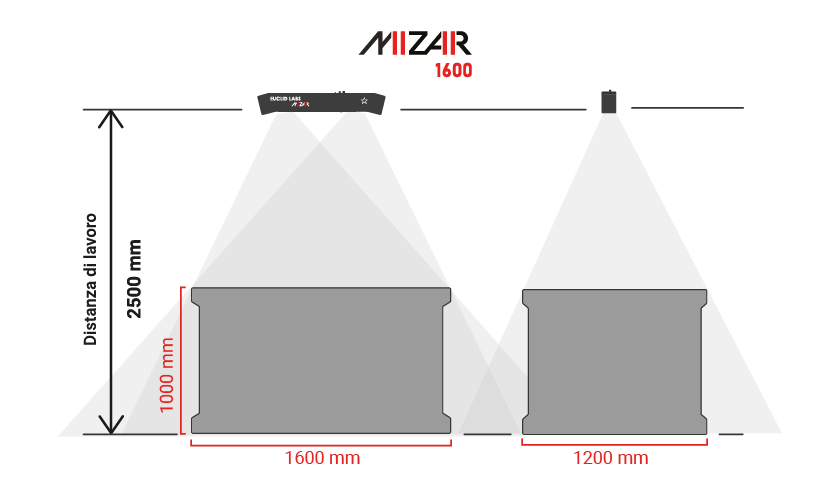
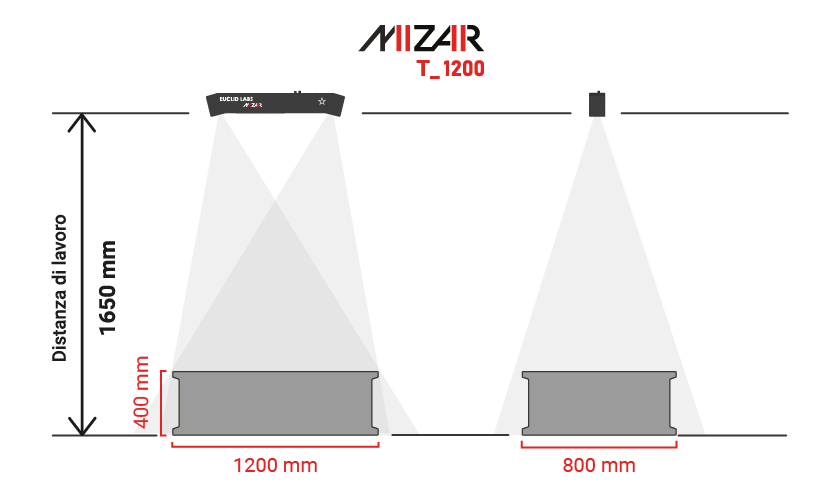
Models available of MIZAR
Outstanding performances On Shiny Objects
Real pieces
Point clouds
MIZAR FOR PICKING METAL SHEET
The Mizar T model has been specifically designed for the 3D recognition of sheet metal parts using laser line technology.
Thanks to its high-precision 3D acquisition capabilities, it reliably detects the geometry, position, and orientation of parts, even when dealing with shiny or reflective surfaces, stacked sheets, and other challenging conditions that can affect traditional vision systems.
Mizar T is the ideal solution for automating robotic sheet metal picking and loading operations for press brakes, panel benders, machine tools, and other processing systems.
Its integration with industrial robots enables manufacturers to increase productivity, improve process repeatability and reliability, reduce cycle times, and minimize operator intervention.